The Hidden Mental Load of Caring for a Baby Under One
December 19,2025
When people talk about parenting a baby, they often focus on sleepless nights, feeding schedules, or physical exhaustion. What is discussed far less—but felt by nearly every new parent—is the mental load that comes with caring for a baby under one.
This invisible weight is not just about what you do, but what you constantly think about. For many parents, especially first-time parents, this mental burden becomes one of the most challenging parts of early parenthood.
Title
What Is the “Mental Load” in Early Parenthood?
1. Everything Is New
New parents are learning in real time. There is no past experience to rely on, and every decision feels high-stakes.
2. Information Overload
Social media, parenting blogs, and advice from well-meaning relatives often contradict each other. Instead of reassurance, parents feel pressure to “do it right.”
3. Emotional Responsibility
Parents don’t just meet physical needs—they regulate their baby’s emotions, absorb their stress, and respond to every cry.
4. Unequal Distribution
In many households, one parent—often the primary caregiver—carries most of the mental planning, even when childcare tasks are shared.
Title
How the Mental Load Affects Parents
Unchecked mental load can lead to:
Chronic stress
Anxiety or guilt
Emotional exhaustion
Difficulty enjoying time with the baby
Feeling “on edge” even during quiet moments
It’s important to recognize that these feelings are not a failure—they are a natural response to sustained responsibility without relief.
Title
Reducing Mental Load Without Lowering Standards
Reducing mental load does not mean doing less for your baby. It means creating systems and environments that support both the baby and the caregiver.
1. Simplify Daily Decisions
Routines reduce the need for constant decision-making. Predictable patterns help both baby and parent feel more secure.
2. Create Safe “Pause Moments”
Parents need short, reliable moments to reset—whether to drink water, breathe, or simply think.
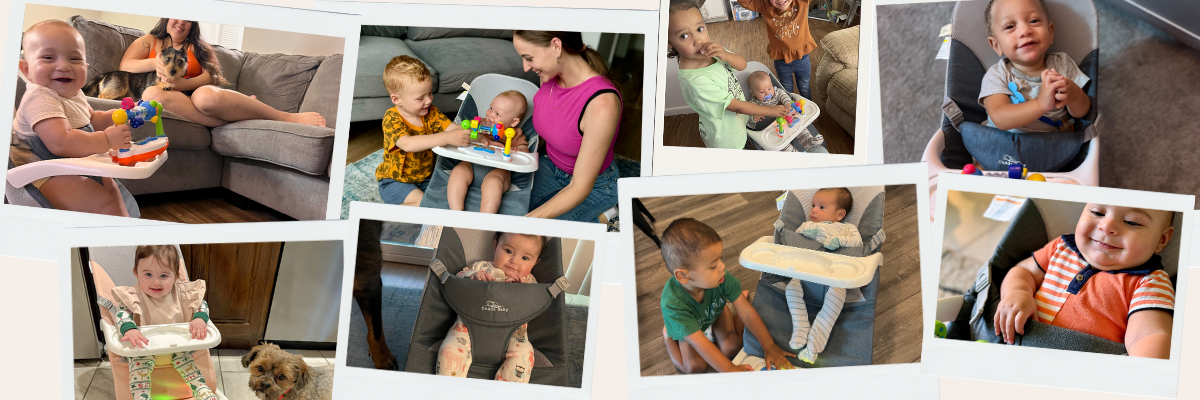
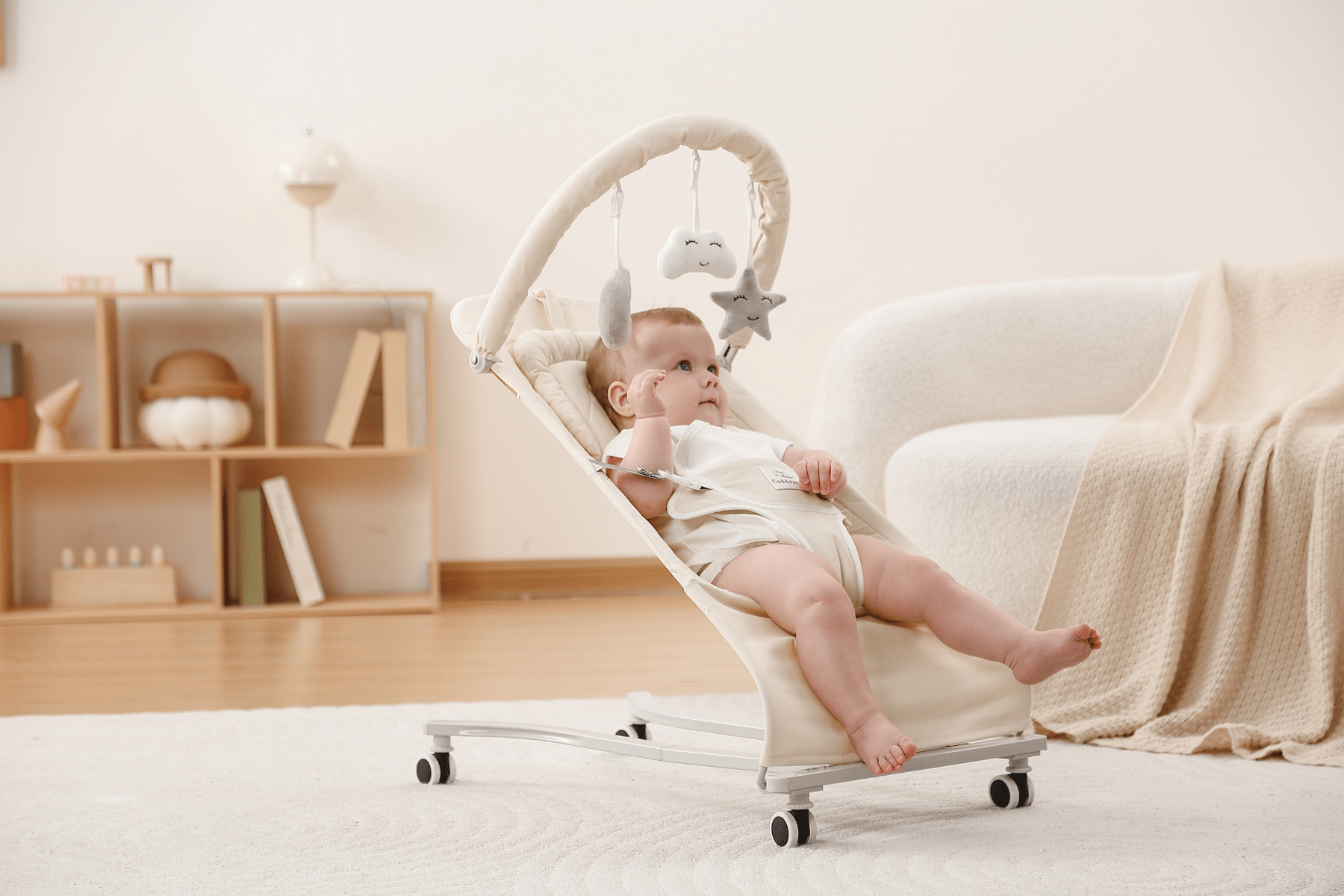
Some families find that having a safe, supportive place for the baby—such as a baby seat bouncer—allows them brief, intentional breaks while staying emotionally present.
3. Share the Invisible Work
Talking openly about mental load helps partners recognize unseen responsibilities and redistribute them more fairly.
4. Accept “Good Enough” Parenting
Babies need responsive care, not perfection. A regulated parent is far more valuable than an optimized schedule.
Title
Montessori Perspective: Respecting the Parent, Too
Montessori philosophy emphasizes respect—not only for the child, but also for the adult caregiver. A calm, prepared environment reduces stress for everyone involved.
This might include:
Fewer, more intentional baby items
Clear spaces rather than clutter
Tools that support independence and observation
Some parents use supportive seating—such as a montessori baby bouncer—as part of a calm routine, allowing babies to observe their environment while parents mentally regroup.
Title
You Are Not Meant to Carry This Alone
The mental load of caring for a baby under one is real, heavy, and valid. Recognizing it is the first step toward managing it with compassion—for yourself and your family.
Supporting parents ultimately supports babies. When caregivers feel calmer and more grounded, babies feel it too.
Subscribe
To join our mailing list and never miss a baby update!