How Free Movement Shapes Your Baby’s First-Year Development
December 4,2025
During the first year of life, babies experience one of the most rapid periods of physical and brain development. Long before they speak their first word or take their first step, infants communicate, learn, and grow through movement. Montessori education places tremendous importance on free movement, believing that babies thrive when they are given the freedom to explore their bodies, their environment, and the people around them.
Understanding how to support free movement at home can help your baby build confidence, body awareness, independence, and motor skills from the very beginning.
Title
Why Free Movement Matters from Birth
From the moment a baby enters the world, their brain begins mapping how their body works—how limbs move, how gravity feels, and how to reach, roll, lift, and eventually crawl. This process is called sensorimotor development, and it is the foundation of almost everything that follows: balance, coordination, language, and even emotional regulation.
Montessori encourages parents to:
Avoid restrictive positions
Limit long periods in containers
Allow babies to explore their full range of motion
Offer safe, open floor space
Provide opportunities for independent movement throughout the day
Even short periods of uninterrupted movement help strengthen core muscles, improve spatial awareness, and allow babies to practice important skills.
Title
Creating a Safe Free-Movement Space at Home
You don’t need a large room to support movement—just a thoughtful environment that encourages exploration.
Consider adding:
A soft rug or play mat
Safe floor-level mirrors
Low shelves with one or two simple toys
Natural light
Plenty of open space
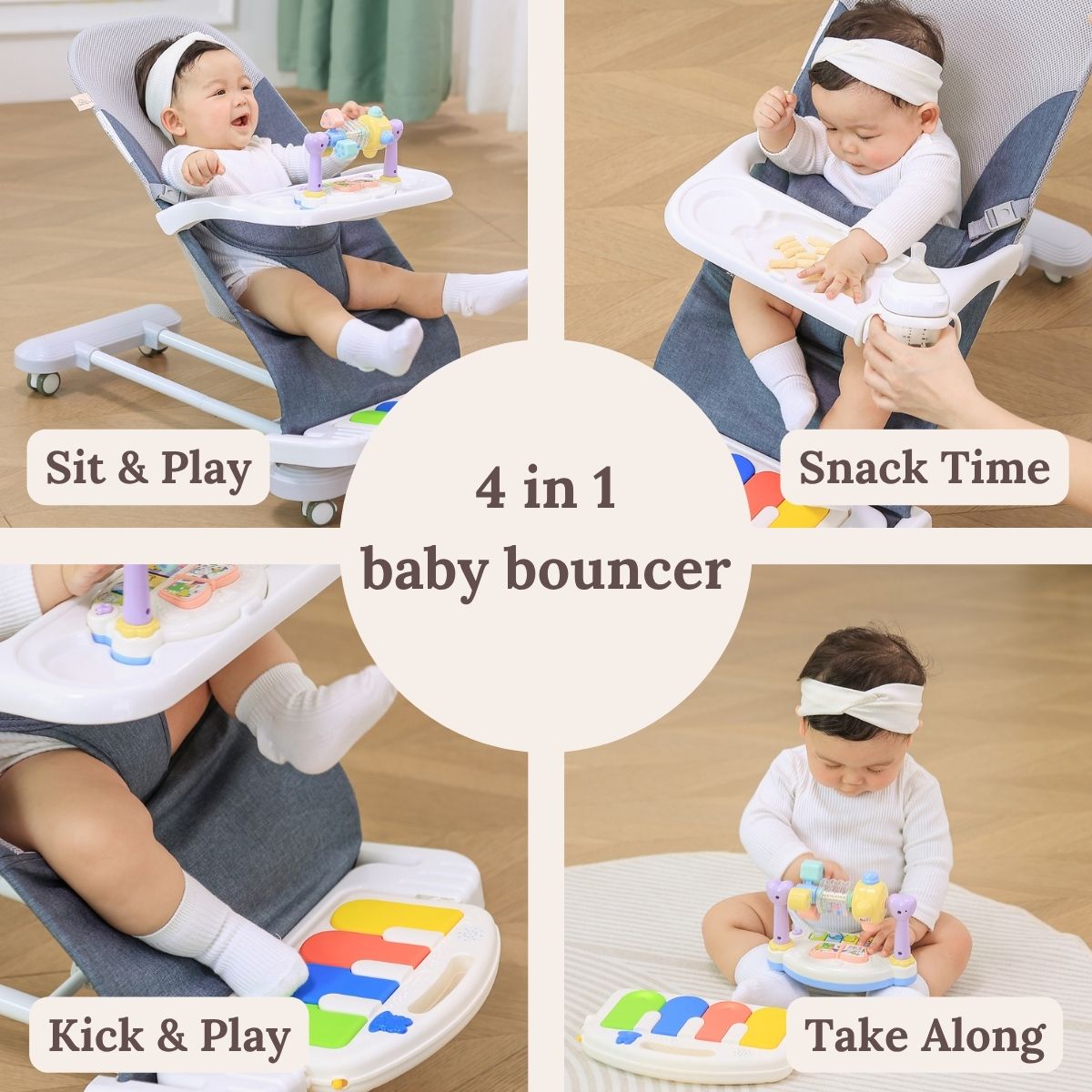
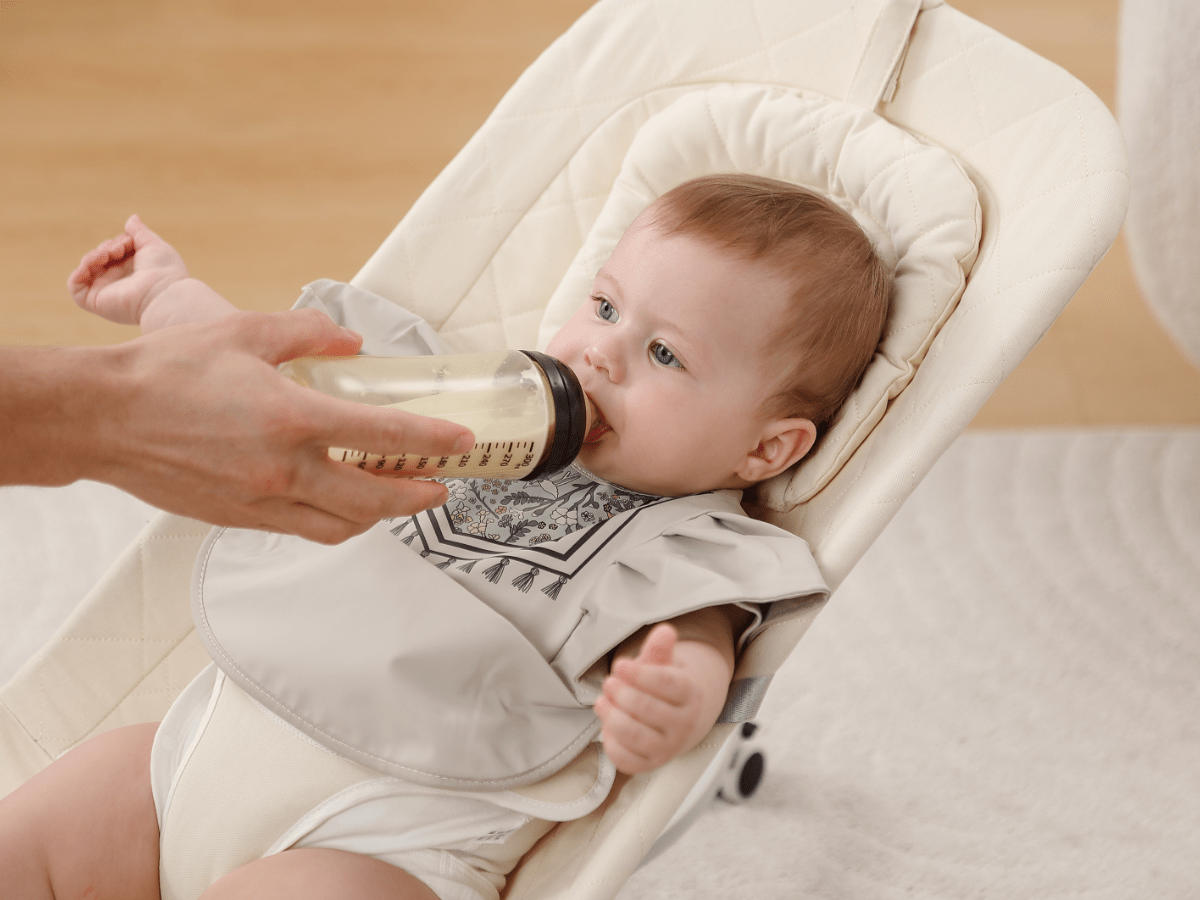
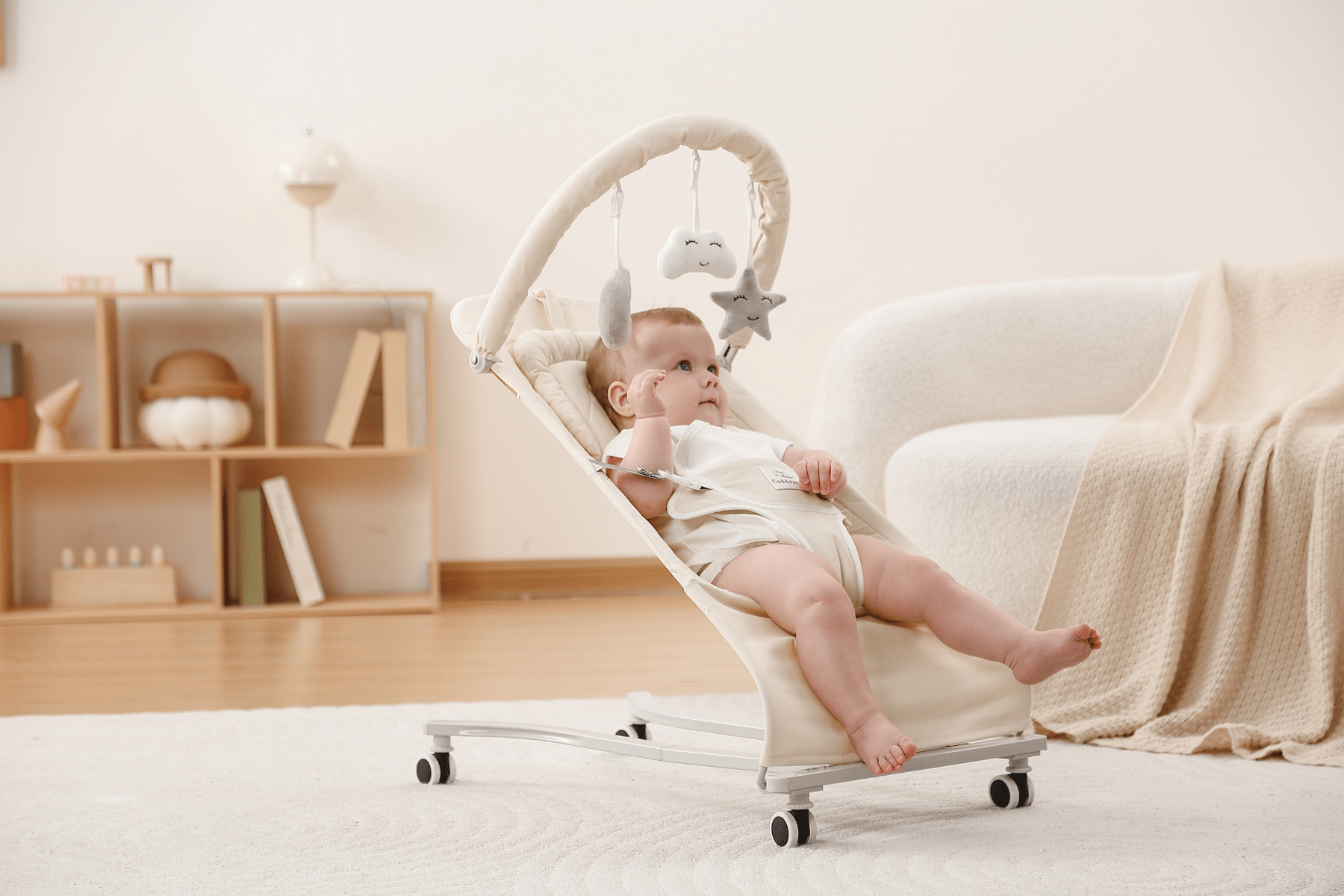
For moments when your baby needs a change of angle or wishes to observe their surroundings from a slightly elevated position, parents can use supportive seating—such as an ergonomic 4 in 1 baby seat—without restricting their ability to move freely later. Tools like these offer a secure spot for visual exploration while still aligning with Montessori principles of freedom and independence.
Title
Milestones and Movement Patterns in the First Year
Every baby develops at their own pace, but there are general patterns you can expect:
0–3 Months: The Discovery Phase
Babies begin learning head control, kicking, and bringing their hands toward their bodies. Tummy time helps strengthen the neck, shoulders, and spine.
3–6 Months: Rolling & Reaching
This is when babies discover how to roll and shift weight, which improves balance and coordination. Offering simple toys encourages reaching and grasping.
6–9 Months: Sitting & Pivoting
Babies start mastering balance while sitting upright, allowing both hands to explore. Their arm, core, and leg muscles work together as they pivot or scoot.
9–12 Months: Crawling & Standing
Whether a baby crawls, scoots, or rolls, this mobility increases independence. Babies also start pulling to stand, which builds leg and core strength.
Supporting each stage with freedom of movement helps babies build confidence in their bodies.
Title
Montessori Tips for Encouraging Movement
Here are simple, Montessori-aligned ways to encourage healthy exploration:
1. Allow Safe Floor Time Daily
Place your baby on a firm, comfortable surface where they can move naturally.
2. Use Simple, Age-Appropriate Toys
Rattles, cloth balls, and wooden rings inspire grasping and hand-eye coordination.
3. Offer Choices and Let Baby Lead
Observe your baby’s interests—movement often follows curiosity.
4. Provide a Calm, Uncluttered Environment
Too many toys or busy patterns overwhelm a baby’s senses.
5. Support Without Interfering
Let your baby struggle a little as they learn. Effort builds strength and confidence.
6. Use Supportive Seating Thoughtfully
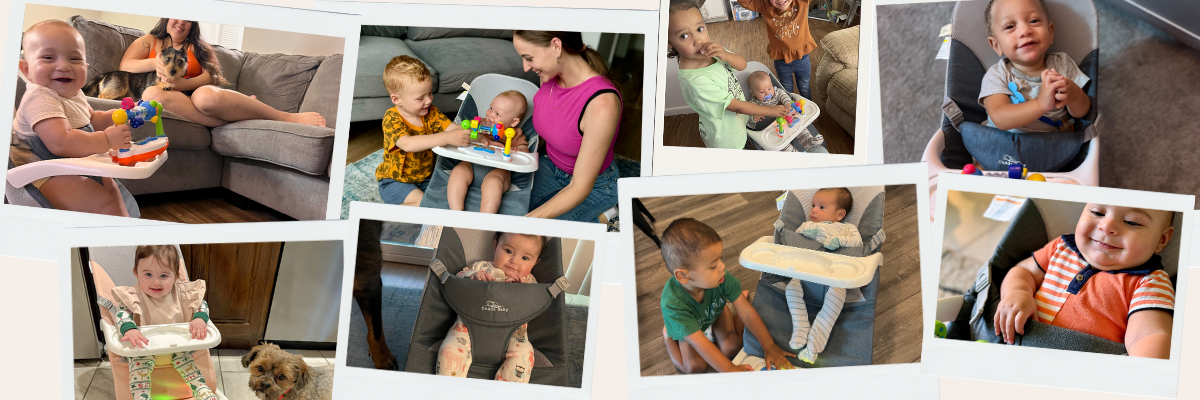
If you use tools like a 4 in 1 baby bouncer, keep sessions short and purposeful to complement—not replace—floor time.
Title
Building Confidence Through Movement
Every new skill reinforces a baby’s internal belief: I can do it myself. Montessori education views independence as the heart of healthy development. Movement is the earliest expression of this independence.
When you provide a safe environment, predictable routines, and opportunities for exploration, you give your baby the freedom to experience joy in their own abilities—an invaluable foundation for future learning.
Subscribe
To join our mailing list and never miss a baby update!