How Babies Learn to Self-Soothe: A Guide for Parents of 0–12 Month Infants
December 11,2025
Self-soothing is an essential emotional skill that helps babies handle everyday stress, transitions, and sleep cycles. While newborns rely heavily on caregivers for comfort, they gradually learn to calm themselves using natural reflexes, sensory strategies, and familiar routines.
Understanding how babies develop these skills can help parents provide appropriate support without pressure or unrealistic expectations. This guide explains how babies build self-soothing abilities during the first year—and how parents can nurture the process gently and effectively.
Title
What Is Self-Soothing?
Self-soothing refers to a baby’s ability to regulate their emotions, calm their bodies, and feel safe independently for short moments.
Examples include:
Sucking on fingers
Finding a comfortable position
Gazing at familiar objects
Rhythmic kicking
Gentle movement
Soft vocalizations
These early skills set the stage for emotional resilience later in childhood.
Title
How Self-Soothing Develops in the First Year
0–3 Months: Reflexive Comfort
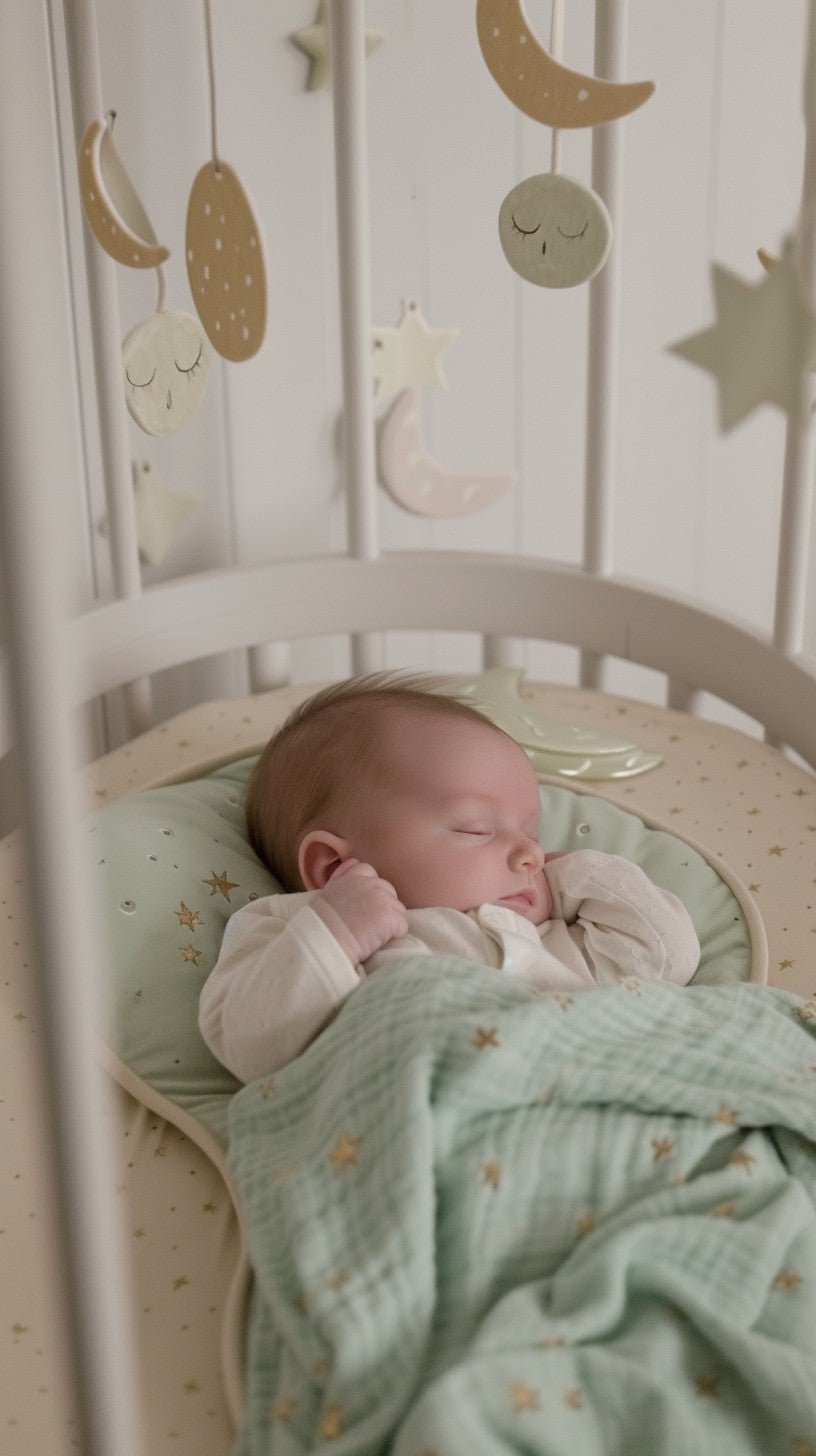
Newborns rely mostly on sucking and skin-to-skin touch. They calm best in your arms, but they also begin noticing light, voices, and soft movement.
Title
3–6 Months: Early Patterns & Predictability
Babies begin recognizing familiar routines and sensory cues. Predictability gives babies the emotional stability needed to start self-regulating.
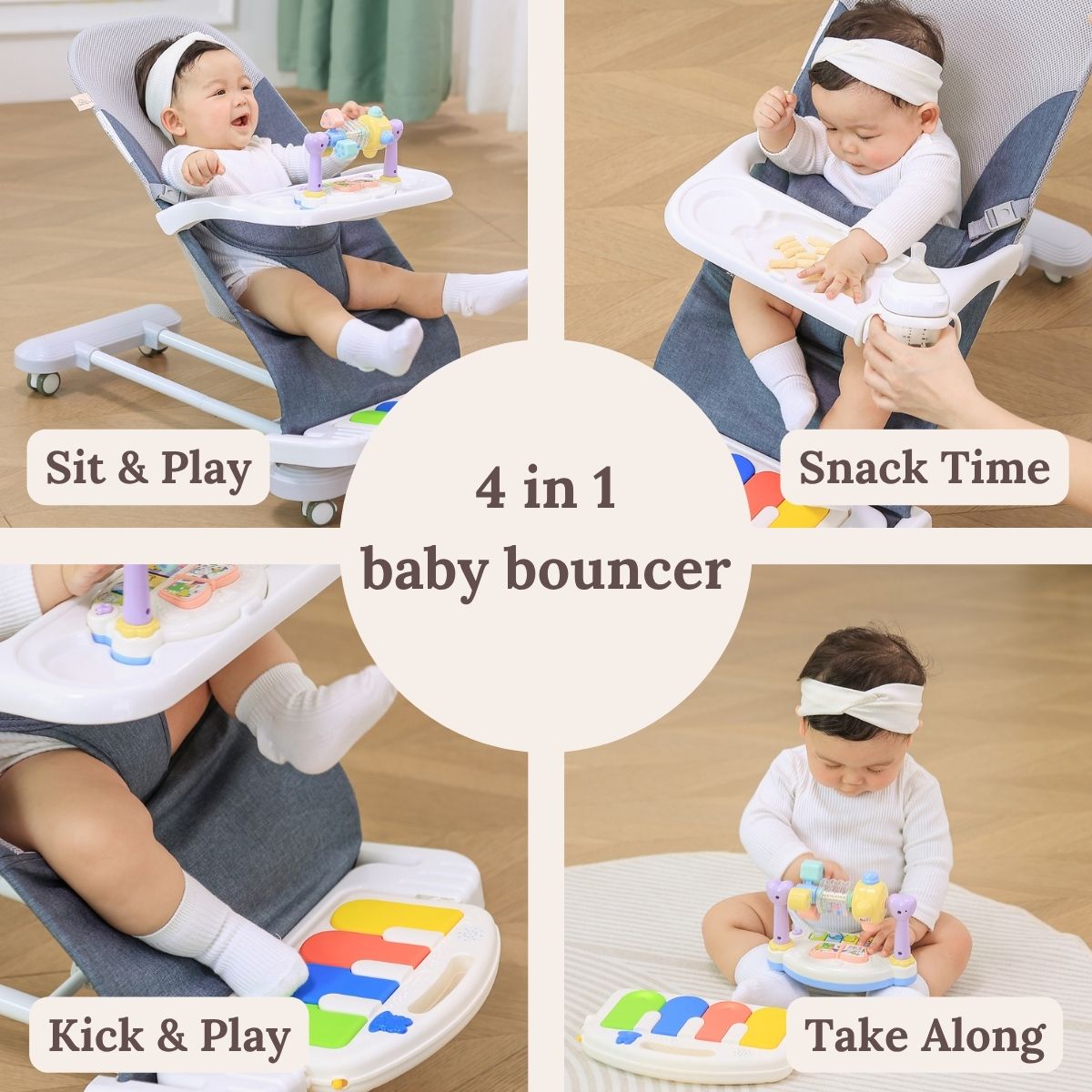
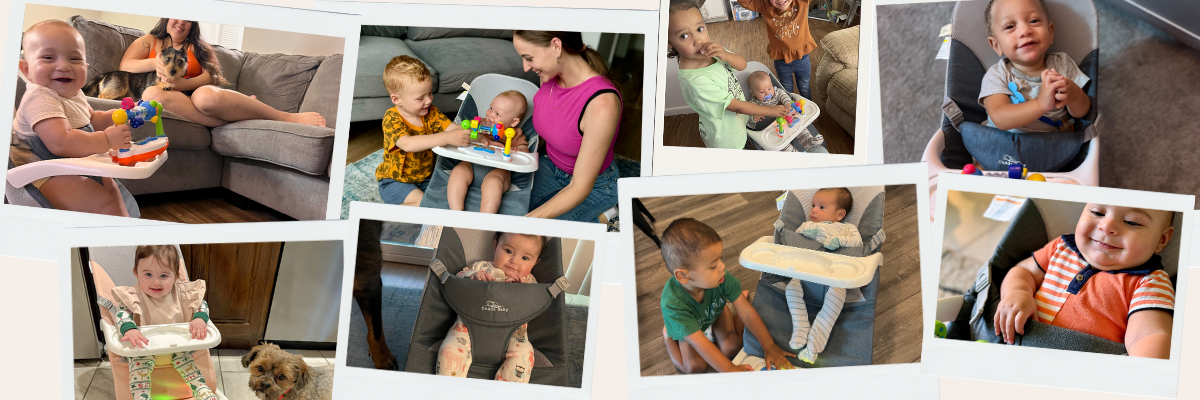
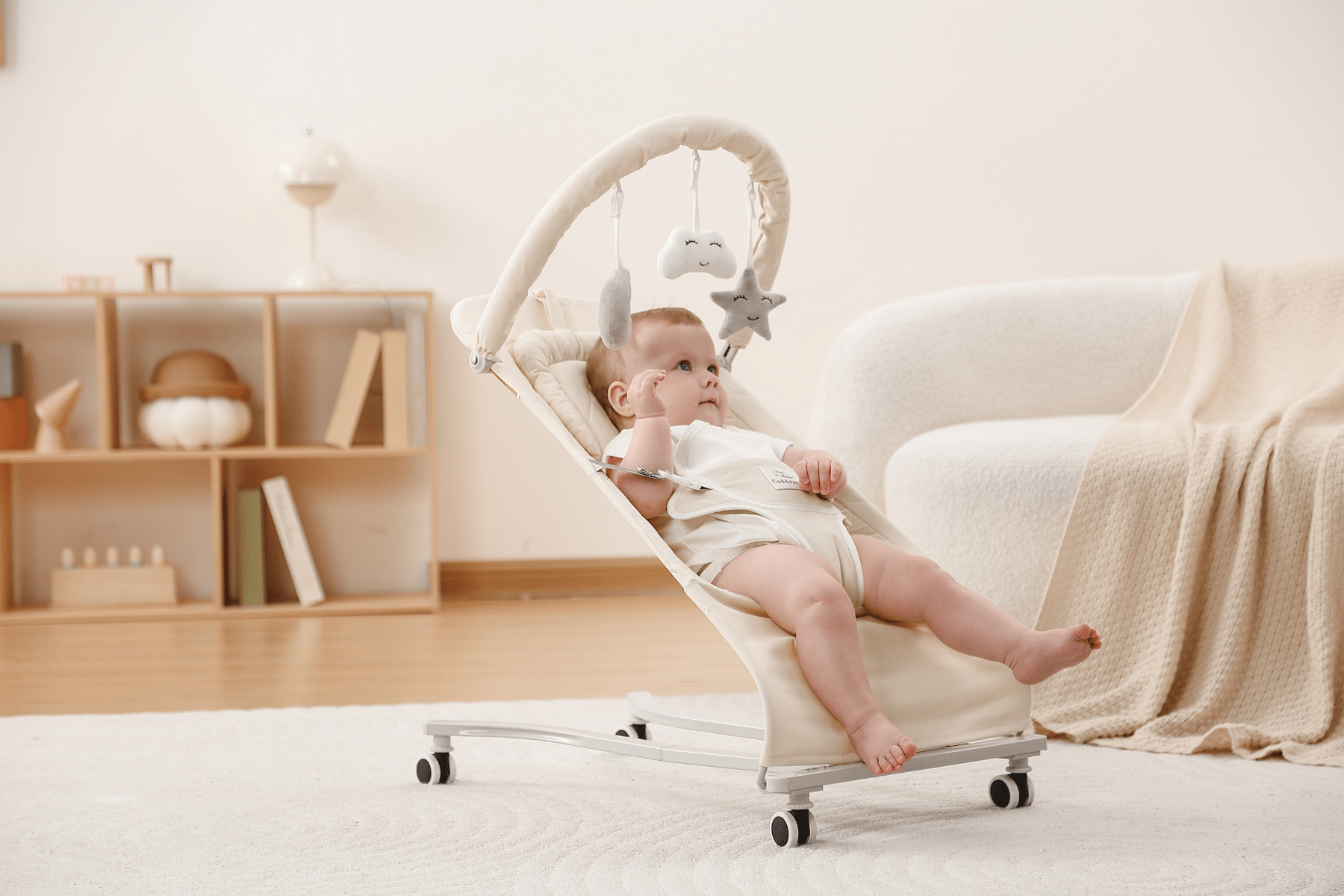
During this stage, some parents introduce short sessions in supportive seating—such as a montessori self-soothing bouncer—to offer a gentle motion pattern that helps babies relax while still feeling secure.
Title
6–9 Months: Improving Body Awareness
As babies sit, roll, and explore, they gain more control over their bodies. Movement becomes a way to calm down, especially when paired with familiar textures or soft music.
Title
9–12 Months: Intentional Comfort Strategies
Older infants may seek out:
Their favorite blanket
A comfortable position
A quiet corner
A familiar rhythm
They begin to understand, “I can help my body feel better.”
Title
How to Support Healthy Self-Soothing (Without Sleep Training)
Montessori philosophy encourages supporting the child while respecting their natural rhythm. Here are parent-approved ways to nurture self-soothing:
1. Create a Predictable Routine
Predictability builds trust. Babies calm more easily when they know what to expect.
Title
2. Offer Calm Sensory Input
Gentle lighting, white noise, soft textures, and slow movement help regulate the nervous system.
Title
3. Give Babies Room to Explore Their Bodies
Freedom of movement—rolling, kicking, or stretching—helps babies find natural calming positions.
During awake windows, babies may enjoy brief time in a supportive seat such as an adjustable baby bouncer seat, which provides gentle sensory input while allowing them to explore their hands and feet.
Title
4. Stay Close, Not Overbearing
Your presence offers emotional security. Sit nearby, observe, and intervene only when needed.
Title
5. Avoid Overstimulation
Too many toys, lights, or sounds make it harder for babies to self-regulate.
6. Be Patient and Responsive
Self-soothing is gradual. Babies learn it through thousands of micro-moments each day.
Title
Self-Soothing Does Not Mean Doing It Alone
Even as babies learn to calm themselves, they still need connection, comfort, and reassurance. Self-soothing is a skill—not an expectation.
Following your baby’s cues is always the most reliable parenting strategy.
Subscribe
To join our mailing list and never miss a baby update!