Why Mom Rarely Get a Break—and How Small Changes Can Make Daily Care Easier
December 19,2025
Many new parents hear the phrase “sleep when the baby sleeps.” Few hear: “Rest when the baby is calm.”
For parents of babies under one, true breaks are rare. Even during quiet moments, caregivers remain alert—listening, watching, anticipating. Over time, this constant state of readiness becomes exhausting.
This article explores why parents struggle to get breaks and how small, realistic changes can make daily care feel more manageable.
Title
Why Breaks Feel Impossible in the First Year
1. Babies Depend on Adults for Everything
Unlike older children, infants rely entirely on caregivers for comfort, safety, and regulation.
2. Guilt Prevents Rest
Many parents feel guilty stepping away, even briefly. There is a fear that rest equals neglect.
3. Unpredictable Routines
Sleep regressions, growth spurts, and feeding changes make planning difficult.
4. Overstimulation
Noise, clutter, and constant interaction can drain both baby and parent.
Title
Why Parents Need Breaks (Even Short Ones)
Breaks are not indulgent—they are protective.
Short moments of rest help parents:
Regulate emotions
Respond more patiently
Think more clearly
Enjoy their baby more
Even 2–5 minutes of intentional pause can reset the nervous system.
Title
Small Changes That Create Real Relief
1. Design Predictable Daily Anchors
Consistent moments—like morning observation time or afternoon quiet play—give parents something stable to rely on.
2. Create Safe Independent Moments
Babies don’t need constant stimulation. Calm observation builds focus and security.
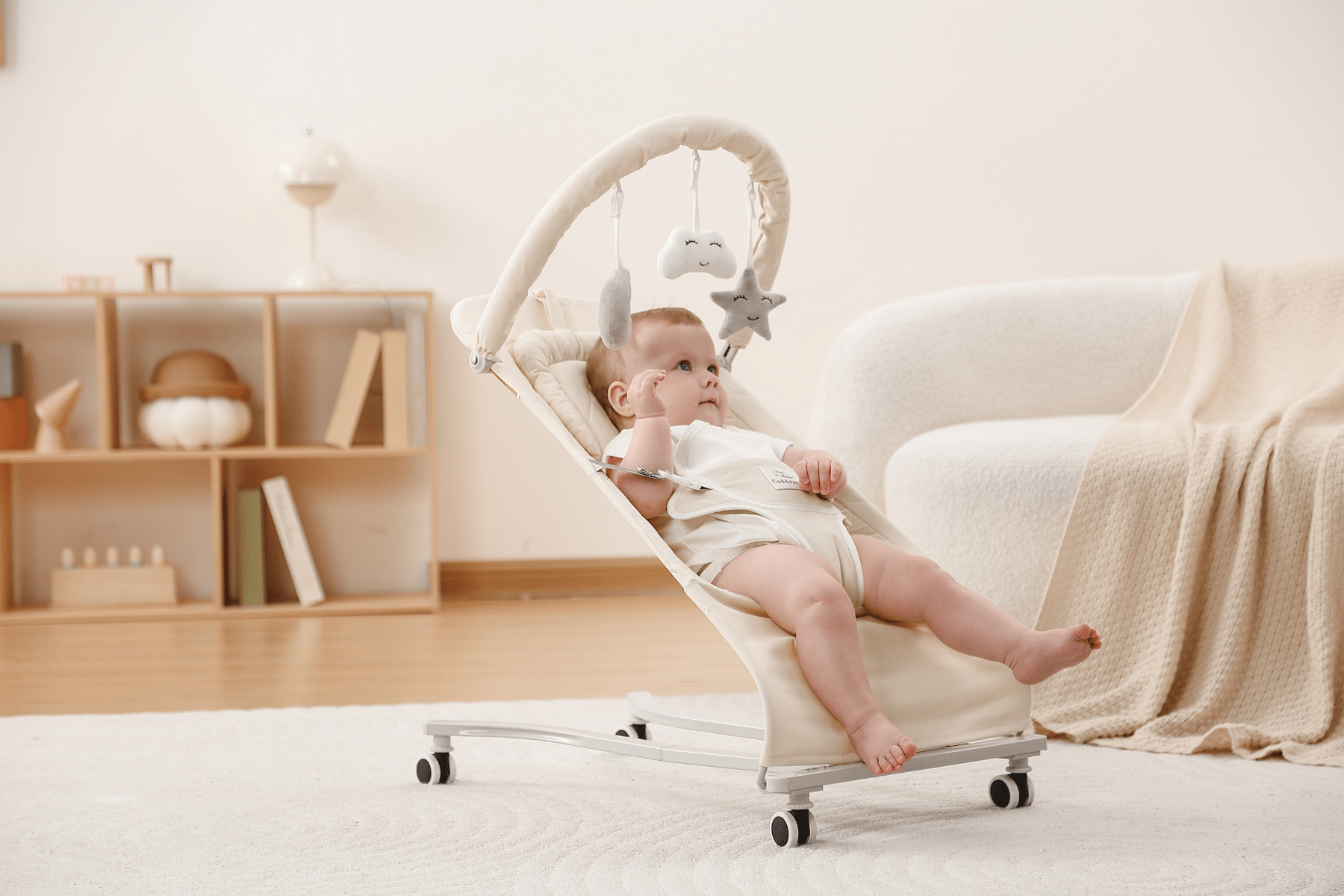
Some parents use a 4 in 1 baby bouncer briefly during the day to give babies a secure place to relax, observe, or kick—allowing caregivers to step back without worry.
3. Lower the Bar for “Productivity”
Rest does not need to be productive. Sitting, breathing, or staring out the window counts.
4. Simplify the Environment
Fewer toys, fewer decisions, fewer transitions—all reduce stress for both baby and parent.
5. Normalize Asking for Help
Breaks don’t always come from doing more alone. Support—whether from a partner, family member, or friend—matters.
Title
A Montessori View on Rest and Rhythm
Montessori education values natural rhythms and calm repetition. Babies feel safest when days have gentle structure.
Creating predictable spaces—sleep, movement, observation—helps babies self-regulate, which in turn gives parents more breathing room.
Supportive tools—such as a grow with baby bouncer—can be part of this rhythm when used intentionally and sparingly.
Title
Rest Is Part of Good Parenting
Parents do not need to earn rest.
They need it to show up fully—for their baby and for themselves.
Small changes don’t remove the challenges of early parenthood, but they make daily care feel more humane, sustainable, and kind.
Subscribe
To join our mailing list and never miss a baby update!